Want to tour all of Bay Eight’s studios and even play your music here? We know music studios can be intimidating for artists early in their career. That’s why Bay Eight offers hour-long studio tours. You can bring your instrument, test out our different rooms, and pester our staff with all your questions about our studio. But first, here’s a detailed guide to the studio recording process.
Here’s a quick checklist you can come back to — we break down each step below:
- Stretch your budget by researching studios
- Practice before your session
- Work out your harmonies and ad-libs
- Tune your instruments
- Bring snacks and water
- Look at the cost and size of the available rooms
- Book 4 hours for your first session
- Put down a 50% deposit and pay the rest when you come in
- Arrive 15 minutes early on recording day
- Talk to your engineer
- Listen for time updates from your engineer
- Wait for an email with your music in WAV or MP3 format
- Book a mixing and mastering session
Before You Come In
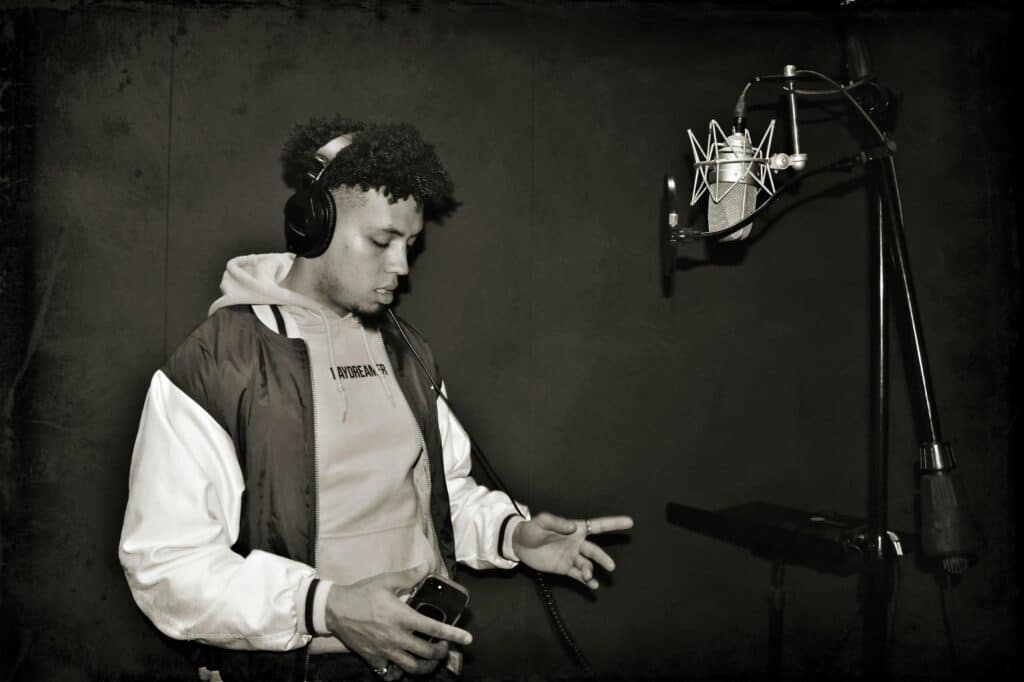
Set yourself up for success by doing some research to find the best recording studio for your needs. There are many things to consider before choosing a studio, and it’s okay to take your time — for a deeper dive, read our guide on how to choose a recording studio in Miami.
Budgeting
We won’t lie to you; studio time can get expensive. If you have the money, you’re welcome to show up to the studio empty-handed. You can write, chat, and search for inspiration all while you’re in session, but it’s gonna cost you. Assuming you haven’t just won the lottery, you’ll want to rehearse before your session and have an idea of what you want to accomplish. This is the best way to make studio time affordable if your project is self-funded.
How to Book A Studio
These days, most recording studios that are open to the public have a website. The easiest way to book a studio is to do it online, the way we do pretty much everything now. If you have questions before booking, you can usually call or email. You’ll be asked basic questions like your name, what day you want to come in, and how many hours you want to book. You can browse rooms and rates on our studio rental page, then book a session at Bay Eight with this form, which lets you specify your needs, including requesting a producer, songwriter, a Sony C800G, and more.
How to Make the Most of Studio Time
To make the best out of your studio time, you’ll need to do some prep work beforehand. Knowing what to expect will help you get all your ducks in a row.
Session Planning
It’s a good idea to set your goals before you come into the studio. The work you do before getting in the recording booth will also impact the success of your recording process. Decide what songs you’re planning to record and make sure you prepare thoroughly. This includes:
Working out the harmonies:
In addition to learning lyrics and melody, you should consider all the elements of your recording. This includes harmonies, ad-libs, and any backing vocals you want to record. These are all essential parts of your songs too! Of course, if you don’t feel confident working on these parts yourself, we’re happy to help. Check out this example of a session with recording artist OG Camo featuring our engineer Jacob “Catalyst” Catalano and our Studio Manager Jordan Leia working on vocal arrangements.
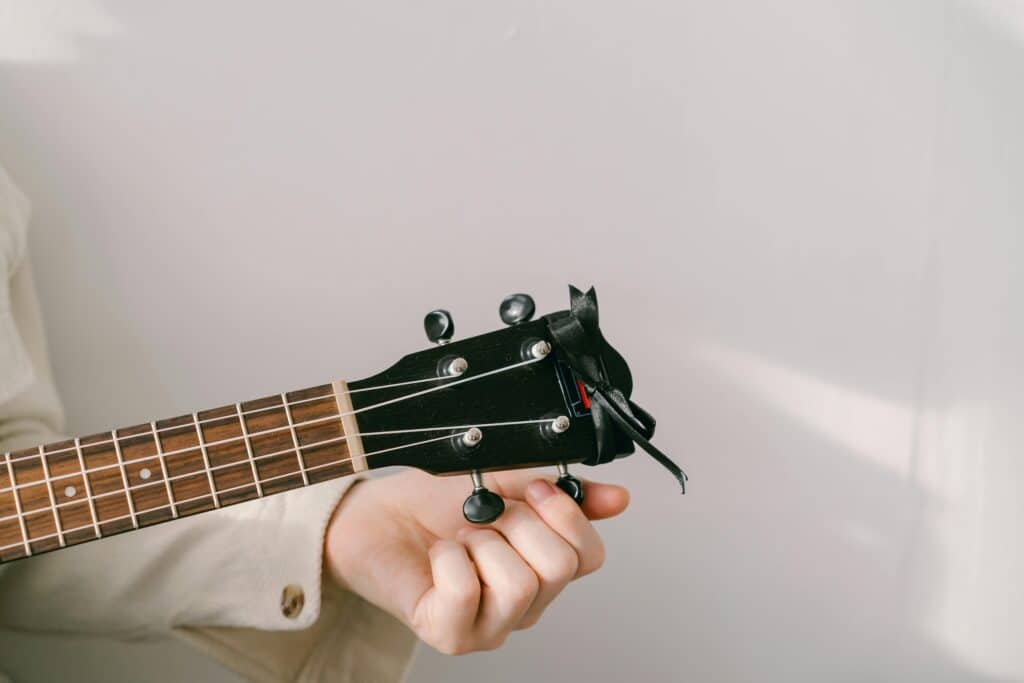
Tuning your instruments:
You’re paying for every minute of studio time. If you wait until studio time begins to do simple prep work like tuning your instruments, you’re flushing your hard-earned money down the toilet.
Bringing Snacks:
Although fun, the recording studio process can be long and tiring. For long sessions, it’s a good idea to bring snacks and water. This helps you keep your energy up and keeps you from having to break for food. If you’re a Bay Eight client, there’s no need to worry — we have snacks and water for you. Just keep in mind this isn’t the case for all studios.
Deciding How Much Time to Book
Most studios have a minimum amount of time you can book. For example, between 2 p.m. and 2 a.m., we have a 4-hour minimum for bookings. While that’s always our recommended amount for your first session, you’re welcome to book shorter sessions outside of these busier times. We’ve found four hours to be an ideal block of time to make sure you don’t feel rushed during your first session, while still allowing you to wrap up before you’re too exhausted to do your best work. Be sure to check with your local studios for their specific policies.
Choosing Which Room to Book
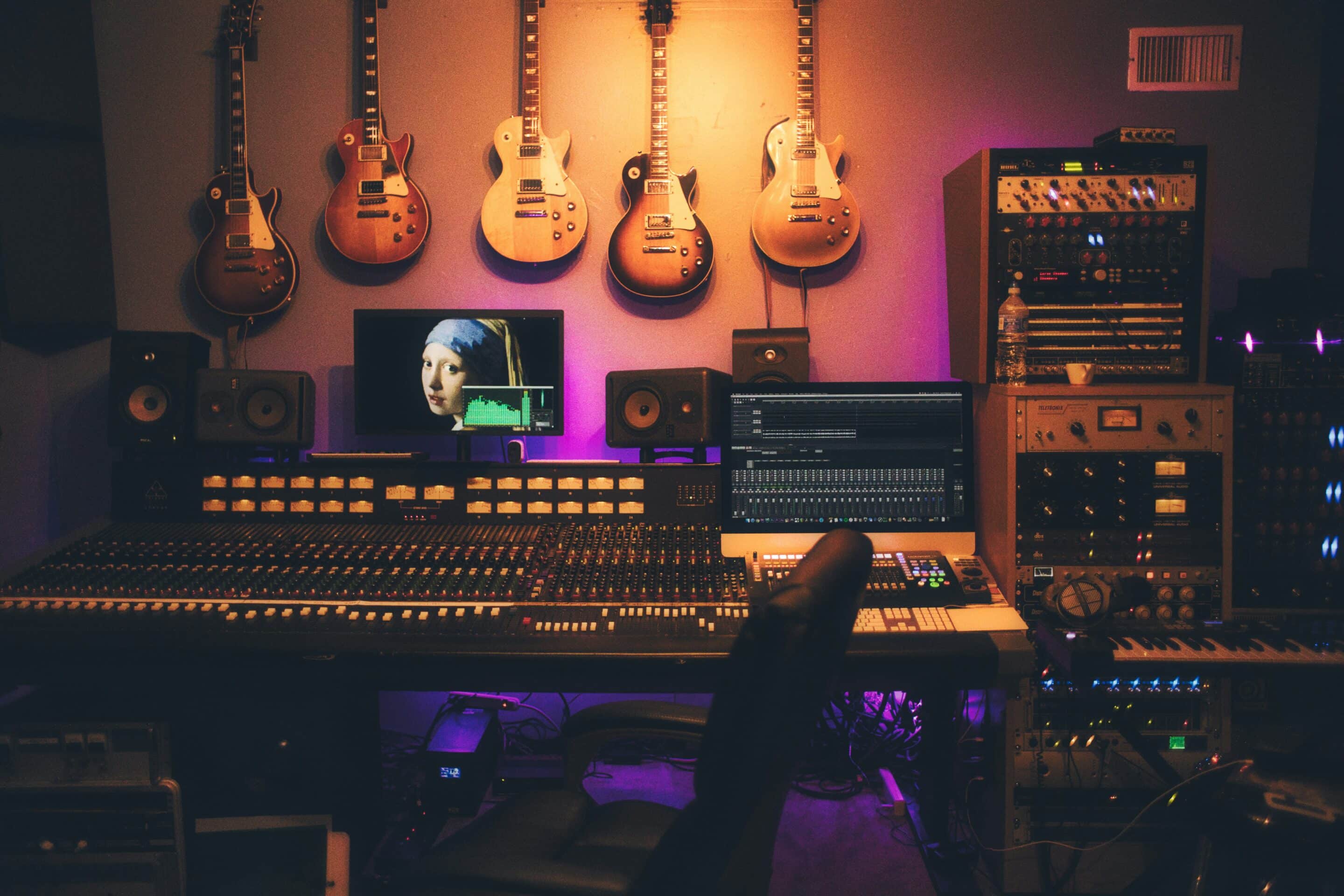
We encourage either taking a virtual tour or visiting a studio in person before you decide which room to book. At Bay Eight, we have three recording studios: the SSL Room, the Apollo Room, and the Whisper Room. Each has a different cost because of the differing equipment and room size. You can learn more about studio time costs here. Consider your budget and any specialized equipment you may need when choosing a room.
How to Pay
Most studios require you to put down a deposit before your session. Our deposit amount is 50%. The remaining balance is due upon arrival at the studio. This can be paid via Cash, Zelle, Cash App, Credit Card, Apple Pay, or even Bitcoin. Major-label clients can inquire about an invoicing option. For more on pricing, check out our breakdown of studio time costs in Miami.
Arriving at the Studio
When you arrive at your first session, you should expect a “getting to know you” chat. Your engineer should already be set up.
The First Thing You Should Do
Talk to your engineer. Introduce yourself. They should set up the microphone for you and guide you through the studio recording process. Most likely, they’ll ask you questions about your music and have you play the song you want to work on. You can warm up, ask your questions, and do what you need to prep. Then the recording process begins!
Time Keeping
Your engineer will help keep your session on time. Tell them your goals for the session, and they’ll help you achieve them. But remember, you’re the client, and you should feel comfortable taking ownership of your session. For example, if you want to work on something different from what you originally planned, you can express that. Not communicating with your engineer will hurt the results of your production, so be sure to voice your questions and concerns. At Bay Eight, we close sessions 15 minutes early to make sure there’s time to export and send your files. The engineers will notify you when it’s time to start wrapping up.
After Your Session
Just as the studio recording process begins before your session, it doesn’t truly end until after. Here’s what you should expect after leaving the studio:

How To Get Your Music
Your engineer is typically responsible for sending your music after your sessions. Bay Eight clients can expect to have MP3s or WAV files emailed to them. Don’t hesitate to request a specific format. You can also request the session files if needed. For large files, we use WeTransfer. If you’ve never heard of it, don’t worry — it’s basically like Google Drive or Dropbox.
Mixing and Mastering
If you record at Bay Eight, you can be assured the recording you leave with will sound complete and radio-ready. We also offer dedicated mixing and mastering sessions for artists looking to fine-tune their recordings.
Conclusion
While the recording studio process can feel intimidating, you immediately get a partner in the shape of an experienced engineer. They’ll be your guide as you get comfortable in the studio, and they can help you through roadblocks like not having the musical language to vocalize what you want. In the beginning, some artists are timid and passive about saying what they want out of their recording. As your confidence grows, feel free to express your ideas to your engineer. If you want to hear more reverb, tell them.
The engineer is there for you! They’ll be your go-to for any extra info you need about the recording process, so don’t feel like you need to know everything before booking a session.